Dangerous Increase in Heat Intensity Expected in Pakistan
Experts predict that Pakistan will experience more dangerous heatwaves across the country in 2025 that is a threat for both population health and agricultural sustainability as well as the economy.
According to environmental experts Pakistan’s annual temperature will rise by 1.5 to 2 degrees Celsius during this year. Report from World Bank suggests that Sindh along with Southern Punjab will experience heatwave intensities of up to 50 degrees Celsius if present carbon emission patterns persist. This environmental condition arises mainly from using too much fossil fuel and clearing forests and creating urban concrete expansion.
Cities maintain 5 to 7 degrees Celsius higher temperatures than rural areas because of the “Heat Island Effect” which develops from the disappearance of green spaces and rising pollution in urban settings. Urban development through roads and buildings absorbs solar heat before it releases thermal energy back to the environment thus creating heat pockets which trap urban areas.
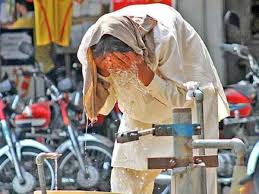
The intensity of heat presents substantial health dangers to people throughout the world. The intensity of heatwaves results in significant increase of dehydration, heatstroke along with heart diseases. The limited access to electricity for cooling primarily affects poor community members who live in the dense population areas of Karachi, Lahore and Hyderabad. WHO reports that individuals more than 65 years old together with children stand as the most vulnerable groups affected by such conditions. Heat waves can also increase the risk of waterborne diseases like cholera and mosquito-borne illnesses such as dengue and malaria.
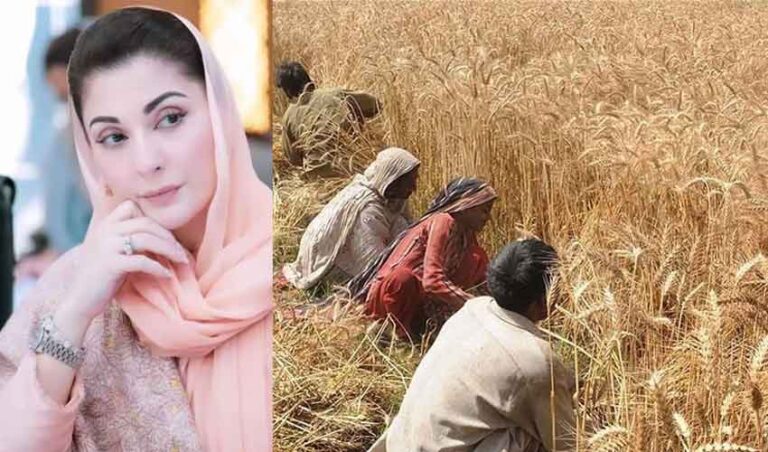
The agricultural sector of Pakistan is also under threat. Pakistan faces economic vulnerability through its agricultural sector since the majority of its economy depends on farming which demonstrates high sensitivity to changes in climate. According to some studies, the national wheat, cotton and rice production can decrease by 15 to 20 percent by 2025 leading to food shortages coupled with inflation across the nation. The farmers who depend on the Indus River for their water will face a big problem with not having enough water. Experts predict that if farmers don’t start using new ways to water their fields and don’t grow different kinds of crops that can handle the changing weather, then millions of people could become very poor.
The government alongside the public can make environmental problems smaller by trying to put less carbon into the air, planting more trees, making more parks and green areas in cities, and being careful about how we use water.