The Leadership Crisis in South Asia Gets Worse Due to Growing Political Polarization and Indo-Pak Tensions
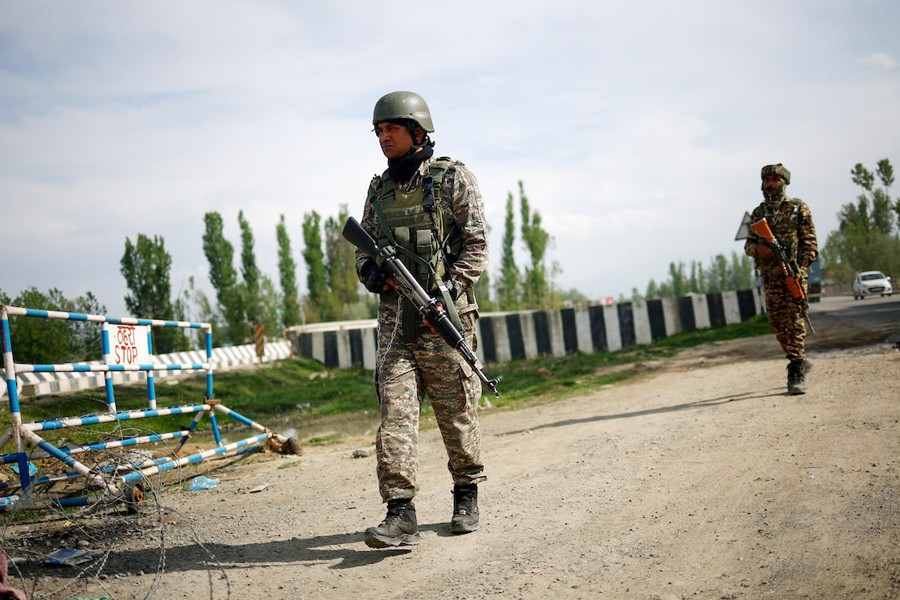
India and Pakistan were about to go to nuclear war. The only people who know what kind of devastation this war could have caused are the Japanese, who witnessed the atomic bombs falling on their nation. When India most likely detonated five nuclear bombs on May 11, 1998, a Japanese delegation traveled to both nations. They were people who had witnessed millions of people die in front of them, not young people. “We only warned the leadership and people of both countries that this war could bring disaster,” one of them told me when I interviewed her. It also had an impact on me, as I witnessed my city destroyed.
Both nations now possess nuclear weapons, though, and US President Donald Trump, whose actions brought to the “ceasefire,” said in his remarks that millions of people might have died in this conflict. The sooner real and purposeful conversations start, the better, because the issue is still delayed and not yet resolved. Although the two countries’ wars lasted only a few days or weeks, they continued for decades, which only served to fuel extremism, and today the majority of people in both countries struggle with unemployment, health issues, and education.
Talks went on despite events like Mumbai and the attack on the Indian Parliament. While Pakistan denied it, “India” continued to place the blame on Pakistan. Pakistan too had to pay a high price for a few of these actions. Following the two wars in Afghanistan, the fight on terrorism claimed the lives of almost 80,000 of our compatriots. Here, sectarian and jihadi groups were also outlawed, and we joined battles that weren’t our own. However, after these terrorists killed our children, a significant operation was conducted, and the conflict has been raging since 2014.
However, the world continued to seek evidence following the Pahalgam event, for which India has yet to produce any, and India continued to deny it while accusing Pakistan of starting a “war.” Even though elections are coming up, are Prime Minister Narendra Modi, who is known as an extremist in India, losing his political clout? Serious concerns are being raised about the BJP’s policies in India, particularly in relation to the demise of secularism. He believes that a new ‘anti-Pakistan’ atmosphere is being established and that a Modi + Plus is being sought. South Asia has experienced a leadership and political crisis. There isn’t a leader with “leadership” ability in Bangladesh, India, Pakistan, or even Sri Lanka. Tension between Pakistan and India has persisted since 1947, one of the major reasons being the ‘Kashmir issue’. The matter was very simple and perhaps it is still there today.