

Benazir Nashonuma Program — Complete Guide for Mothers and Children Under Two

Last updated: October 22, 2026 · 7 min read
✓ Fact-checked by: Editorial Team
Listen to this article:
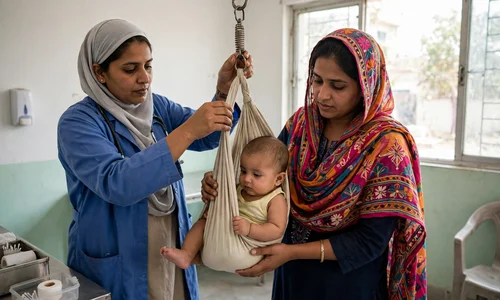
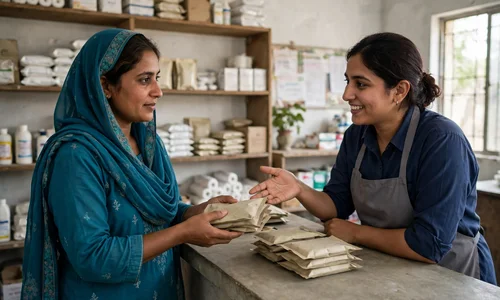
Early morning at a facilitation centre looks like this: mothers sitting in a row with their babies, a health worker calling names one by one, a small scale hanging in the corner, and packets of special food stacked neatly on the table. Most of these women already receive the Kafalat payment. What many of them did not know, until someone told them, is that pregnancy and the first two years of their baby’s life bring them something extra — extra cash, extra food, and free health care for mother and child. That extra support has a name: the Benazir Nashonuma Program.
Nashonuma means growth. This guide is for the mother who is pregnant right now, or whose baby is still under two. I will walk you through what this program gives, who can join it, and what one visit to the centre actually looks like, so you can go prepared instead of confused.
Why everyone keeps saying “the first 1,000 days”
Doctors count a child’s most important days from the start of pregnancy to the child’s second birthday — roughly 1,000 days. In this short window the brain and body grow faster than they ever will again. If a mother is weak and a baby does not get proper nutrition in these days, the loss stays for life. If they are looked after well, the child gets a stronger start than money can buy later.
Nashonuma is built exactly on this idea. It is BISP’s health and nutrition program for this window, and it combines three things in one place: a cash stipend, Specialized Nutritious Food for the mother and the child, and health check-ups with vaccination support at the facilitation centre.
And this is not a small pilot in a few towns. According to the official BISP page of the Benazir Nashonuma Programme, it is running in 158 districts through 558 facilitation centres, and more than 4.6 million beneficiaries have been reached so far, including 2.1 million pregnant women and 2.5 million children under two years of age.
The money: what mother and child actually receive
Let me put the amounts plainly, because this is what every mother asks first. According to the official BISP Nashonuma programme page, the current quarterly stipend is:
| Beneficiary | Quarterly stipend |
|---|---|
| Pregnant woman | Rs 3,500 |
| Boy child under 2 years | Rs 3,500 |
| Girl child under 2 years | Rs 4,000 |
Read the last line once more. The girl child receives Rs 500 extra. It is a deliberate message inside the program’s design: a daughter’s health is worth exactly as much attention as a son’s — in fact, the program puts a little more money behind her to prove it.
Across the full enrolment period, according to the official page, the total conditional cash transfers for a beneficiary can reach up to Rs 42,500. One more update to remember: in March 2026, according to the APP news report, the Nashonuma stipends were also increased by Rs 500 along with the other BISP stipends, so always confirm your latest amount on 8171 before you go to collect.
And a point that causes real confusion in many homes: this money is in addition to your Kafalat payment, never instead of it. Your Kafalat Rs 14,500 continues on its own — I have explained that separately in my Benazir Kafalat Payment guide.
Who can walk in and join
The conditions are clear, and I am writing them exactly, so that nobody misguides you:
- The woman must already be enrolled in the Benazir Kafalat program. Nashonuma sits on top of Kafalat; it is not a separate registration open to the general public.
- A pregnant woman at any stage of pregnancy, or a lactating mother, aged 18 to 59 years, can join.
- A child of a Kafalat beneficiary who is under 2 years of age can join. The day the child completes two years, he or she graduates out of the program. That is the rule, and it is exactly why joining early matters — every missed month is a month of benefit gone forever.
If you are not a Kafalat beneficiary yet, your road starts with the registration survey, which I have explained step by step in my BISP Dynamic Survey Registration guide. Finish that first; Nashonuma opens after it.
Your first visit, step by step
Go to the Nashonuma facilitation centre of your district. These centres are usually at district or tehsil level health facilities and BISP-linked locations. Put these things in your bag before you leave home:
- Your valid CNIC
- Pregnancy screening from a registered health facility, if you are pregnant
- NADRA Family Registration Certificate, called FRC, for registering the child
- The child’s EPI immunization card — the baby’s vaccination card. If you don’t have it yet, don’t stay home because of it; the centre staff will guide you, because vaccination is part of this program itself
At the centre, the staff will check your Kafalat status in their record, do the screening, and enrol you and your child. From then on, your stipend starts coming with your regular payment cycle, and you collect it the same way as your other BISP money — with your own biometric verification.
The small promises you make in return
This is a conditional program, which means the stipend is linked with some healthy actions from your side. Read them carefully; honestly speaking, every one of them is for your own and your baby’s benefit, not a formality invented to trouble you.
You attend the regular health check-ups during pregnancy and after the delivery, as the centre schedules them. You use the Specialized Nutritious Food, the SNF, which is given at the centre for yourself and the child — it is made for exactly this stage of life, so don’t sell it and don’t let it go to waste. Your child receives the routine immunization according to the national schedule. And you come for the quarterly growth monitoring visits, where the baby’s weight and height are measured and written in the record — that small chart is how the program watches your child grow.
When you keep these visits, your stipend keeps coming smoothly. If visits are missed again and again, the payment can stop. So treat the centre’s dates the way you treat a doctor’s appointment: fixed, and not to be skipped without a real reason.
Questions mothers ask at the centre — and here
Q. I am pregnant but not a Kafalat beneficiary. Can I join Nashonuma directly?
No. Nashonuma enrolment is only for Kafalat beneficiaries. First complete your dynamic survey registration, and if you become eligible for Kafalat, you can join Nashonuma during the same pregnancy.
Q. My child is 1 year and 8 months old. Is it too late for us?
Not at all. Join now and you will still receive the benefit until the child completes two years. At this age, even a few months of proper nutrition and check-ups make a visible difference.
Q. I have twins. Will I get the stipend for both children?
Each enrolled child under two is a beneficiary in the program record. Take both children’s documents to the centre and the staff will enrol them according to the rules.
Q. Can I share the food packets with my older children?
The SNF is measured and given for the mother and the enrolled child specifically, because their need in this period is special. Use it for them only — that is where it will do its real work.
Before you go — a mother’s checklist
One last look before you leave for the centre: CNIC in your bag, pregnancy screening or the baby’s vaccination card with you, the FRC for the child, and this one decision in your mind — that you will keep the follow-up visits like doctor’s appointments. Do these things and your enrolment is a single smooth visit, not three rounds of running around.
The first two years of your child will never come back. If you are a Kafalat beneficiary and you are pregnant or have a baby at home, this program is your right for exactly this season of life — claim it in full, and claim it on time.

One Comment